TAS Rights Management, LLC v. Cathay Home Inc
27/03/2026
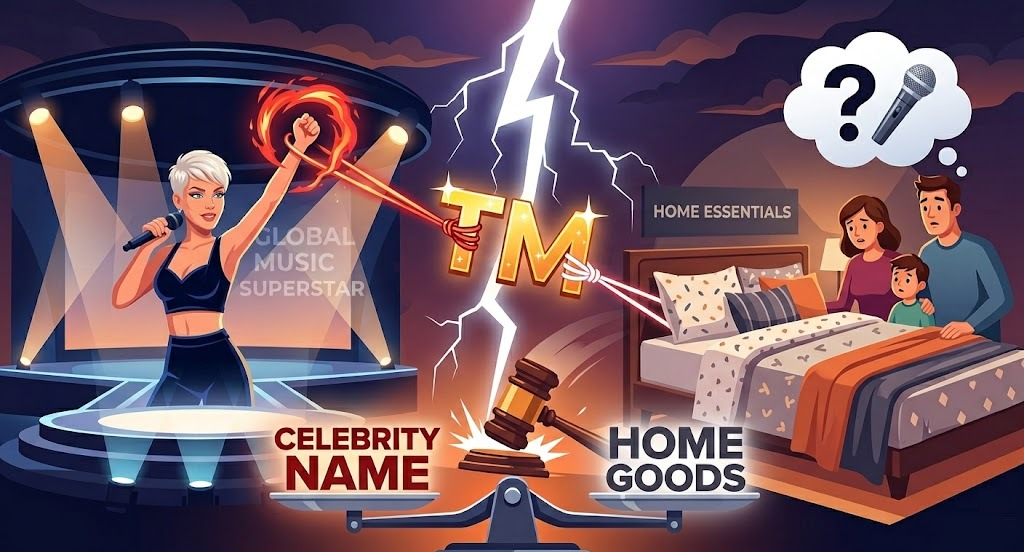
In February 2026, internationally renowned singer-songwriter Taylor Swift initiated opposition proceedings before the United States Patent and Trademark Office (USPTO) against a trademark application filed for the mark “Swift Home.”The application reportedly covered a variety of home-related goods, including bedding products such as pillows, sheets, mattresses, and related household furnishing items. The applicant sought federal trademark registration for the mark in connection with these goods, claiming exclusive rights to use the designation in commerce.
Swift’s opposition was filed through her intellectual property management company, TAS Rights Management LLC, which manages and enforces the extensive portfolio of trademarks associated with the singer’s brand and commercial ventures. Over the years, Swift and her affiliated entities have secured numerous trademark registrations and applications covering a wide array of goods and services, including entertainment services, musical recordings, clothing merchandise, accessories, and other consumer products. These trademarks frequently incorporate the name “Swift” or other phrases closely associated with the artist’s public identity and brand image.
In the opposition filing, Swift’s representatives contended that the proposed mark “Swift Home” was confusingly similar to Swift’s well-established personal name trademarks and could mislead consumers into believing that the goods originated from, were endorsed by, or were otherwise associated with the celebrity. The opposition also pointed to the stylization and presentation of the mark in the application, which allegedly resembled the distinctive script or signature style often used in Swift’s official branding and merchandise.
According to the opposition, Swift’s name and related marks have acquired significant goodwill and recognition through extensive commercial use, media exposure, and global marketing activities. The opposition therefore asserted that the applicant’s use of “Swift Home” in connection with consumer products could improperly capitalize on the reputation and commercial strength of Swift’s brand.
The opposition raises several important trademark law issues under the Lanham Act, including:
Whether the mark “Swift Home,” when used in connection with bedding and household goods, is likely to cause confusion with trademarks associated with Taylor Swift.
Whether the proposed mark falsely suggests a connection with Taylor Swift, a widely recognized public figure.
Whether Swift’s established commercial use of her name entitles her to prevent registration of similar marks that could create an impression of endorsement or affiliation.
Under U.S. trademark law, celebrity names can function as trademarks when they are used in commerce to identify the source of goods or services. Over time, many public figures have successfully established trademark rights in their personal names where those names have become closely associated with particular products, brands, or entertainment services.
In evaluating the likelihood of confusion, the USPTO’s Trademark Trial and Appeal Board typically considers several factors, including the similarity of the marks, the relatedness of the goods or services, the strength of the prior mark, and evidence of consumer perception. Even when goods fall within different categories, confusion may still arise if consumers are likely to believe that the goods are sponsored, licensed, or endorsed by a well-known brand owner.
In Swift’s case, the argument is likely to focus on the strength and fame of the “Taylor Swift” brand and whether consumers encountering the phrase “Swift Home” might reasonably assume an association with the celebrity’s expanding merchandising empire. Many musicians and entertainers have extended their brands into lifestyle and consumer product markets, including clothing, fragrances, and home décor products. As a result, the expansion of celebrity branding into home goods is not unusual, which could strengthen Swift’s claim that consumers might expect such products to be affiliated with her.
This opposition illustrates the growing importance of personal branding and celebrity trademark protection in modern intellectual property law. Celebrities today frequently operate as global brands, with trademarks covering a wide range of merchandising categories beyond their primary entertainment activities. As a result, trademark owners are increasingly vigilant in preventing third parties from adopting marks that could imply sponsorship or endorsement.
From a legal perspective, the dispute also highlights how trademark law protects not only against direct confusion between competing products but also against misleading associations with well-known personalities. Even where the goods involved—such as bedding or home furnishings—are not traditionally associated with a musician’s core business, the commercial reality of celebrity merchandising may lead consumers to assume that such products are licensed or authorized.
If the opposition succeeds, the USPTO may refuse registration of the “Swift Home” mark on the grounds that it creates a likelihood of confusion or falsely suggests a connection with Taylor Swift. Regardless of the outcome, the dispute demonstrates the continuing expansion of trademark law into the broader realm of celebrity identity rights and brand management in the modern marketplace.
NANDINI KOHLI